By S. Gebarin & Jim Fitch
Practicing Oil Analysis Magazine
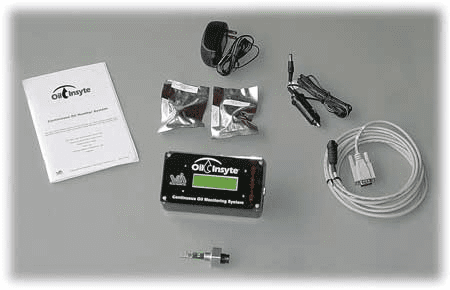
In recent years, the cost of inappropriate drain intervals to the economy, to the environment and to car owners has received closer inspection. In the United States, the average car owner changes his/her oil at just less than 5,000 miles. Conversely, in Europe the average oil change interval is more than 10,000 miles.
Assuming 10,000 miles is a more optimum interval, approximately 300 million to 400 million gallons of engine oil (worth about $1.5 billion, not including labor) in the United States are consumed unnecessarily. With increasing environmental and economic pressures, the potential waste can no longer be easily glossed over.
There are, however, negative consequences to overextended oil drains. In diesel engines for instance, overextended oil drain intervals have been shown to increase engine wear by more than 20 percent with a corresponding reduction in horsepower and fuel consumption. One could safely project that overextended drains in passenger car applications would have a similar negative outcome. This of course presents a real dilemma to the car owner.