Category: Training & Maintenance Culture
Jim Fitch authored articles & papers
-
8 Pillars to a Prosperous Maintenance Culture

It ain’t just about the oil. In recent years, it has become increasingly clear to me that applied tribology is more about training and behavioral science than about engineering and material science. Read More
-
Develop a Corporate Education Master Plan
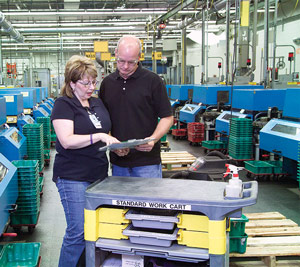
Reliability and lubrication excellence are behavioral sciences. Bearings don’t just die; they’re murdered by people. What can change behavior? It requires awareness and know-how. Read More
-
Education and User Empowerment

As oil analysis specialists, we had much to offer; and in the past 10 years, we’ve given hundreds of seminars and graduated thousands of students. However, we’ve also learned much from these students, especially details on the purpose for their hunger for knowledge in oil analysis. Read More
-
Lubrication Training in the Reliability Era
Over the past ten years machine-dependent industrial sites have been reinventing their views about equipment maintenance – adopting a reliability focus. One might say that maintenance has always been about reliability, but today, more and more organizations are taking that connection very seriously, whereas in the past, the term reliability was- casually associated with the… Read More
-
Machinery Lubrication Engineer: A Professional Certification
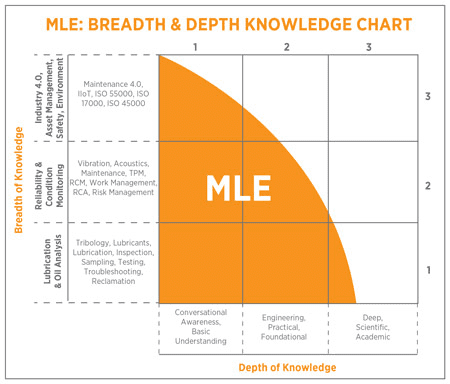
I’m proud to say that the Machinery Lubrication Engineer (MLE) certification has become a reality. Through studying and testing, qualified candidates can earn the right to hold this prestigious title, and Noria has developed a training course to help students prepare. Unlike other exams and certifications related to lubrication and lubricant analysis, the MLE stands… Read More
-
The Hidden Cost of an Untrained Workforce
Modern organizations call it raising the corporate IQ. Most of us have seen statistics on the lifetime financial returns of a college education. When it comes to education, a penny saved is not a penny earned, but rather green dollars forfeited – hundreds of them, all for the quest of a penny. Read More
-
Three Important Words for Success in Lubrication and Oil Analysis

TRAIN-YOUR-PEOPLE. Using oil analysis to enhance machine reliability is really too simple. Behind the appearances of complexity and vale of high science are the most basic of concepts. We can try to make it difficult, but why? Read More
-
Does Your Company Need a Maintenance Culture Intervention?
Let’s face it, most companies need a culture intervention – something like a 12-step program. This article will explore behavioral issues that are often at the core of a culture of neglect and mediocracy. It borrows much from management science, leadership principles and conversations with individuals working in the field of maintenance reliability. Read More
-
Remedies for a Bad Maintenance Culture

You may not be surprised to know that most companies need a culture intervention – something like a 12-step program. This column will discuss behavioral issues that are often at the core of a culture of neglect and mediocracy. It borrows much from management science and leadership principles. Read More
-
You Earn What You Learn
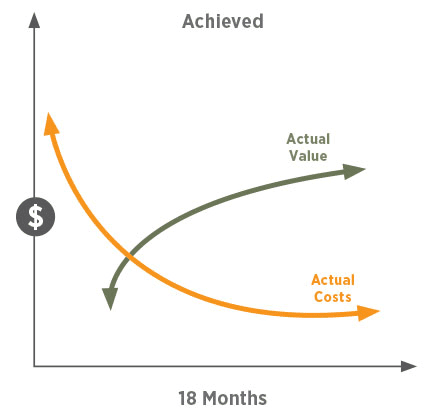
2020 will be known as the year when the world was forced to shelter to protect human lives and to stem the spread of a potent, invisible enemy … COVID-19. The dire economic consequences of this virus are affecting us too. Is it possible there is a silver lining? Read More
-
12 Smart Ways to Revive a Neglected Lubrication Program

Having spent nearly my entire career in the field of lubrication, I’ve become increasingly aware that for many companies, the practice of neglecting lubrication has become deeply engrained in maintenance culture. Read More
-
Adopt a New Philosophy—Change
People resist change not because they love the status quo but because they fear the uncertainty of what lies ahead. Yet, without change we are destined to repeat the past. After all, machines that are operated and repaired the same way will tend to wear out and fail the same way. And, for most organizations,… Read More
-
Announcing the International Council for Machinery Lubrication
A new non-profit organization called the International Council for Machinery Lubrication (ICML) has been launched to advance causes associated with machinery lubrication in industrial and fleet applications. Read More
-
Six Questions Every Lube Tech Should Be Able to Answer Correctly
We’ve addressed the virtues of training numerous times on the pages of Machinery Lubrication and other Noria publications. Still today, we encounter a national workforce in the lubrication field that seems largely oblivious to many of the fundamental concepts that embody excellence in the profession. Read More
-
The Six Most Expensive Oil Analysis Tests
Do you know the six most expensive oil analysis tests? Maybe you do and maybe you’ve learned to tolerate them or simply didn’t register their true cost. For the maintenance organization seeking world-class status, you might call these the “tests of fire” because they often separate the winners from the users. Read More
-
How to Fix a Poor Maintenance Culture [in Russian]
![How to Fix a Poor Maintenance Culture [in Russian]](https://tesibis.com/wp-content/uploads/2025/12/image-159.png)
Poor maintenance performance is rarely the result of individual failure. Instead, it reflects deeper organizational and cultural issues that influence how maintenance is planned, executed, and valued. In How to Fix a Poor Maintenance Culture, Jim Fitch examines the systemic causes behind ineffective maintenance practices and explains why cultural transformation is essential for achieving reliable,… Read More
-
The Golden Age of Lubrication

There is no greater influence on the state of lubrication than training and human behavior. I often say, “You earn what you learn.” I do not say it because it rhymes or it sounds cool. I say it because, to me, it is an unvarnished fact. Read More
-
Make Touchstones of Lubrication Excellence Shine
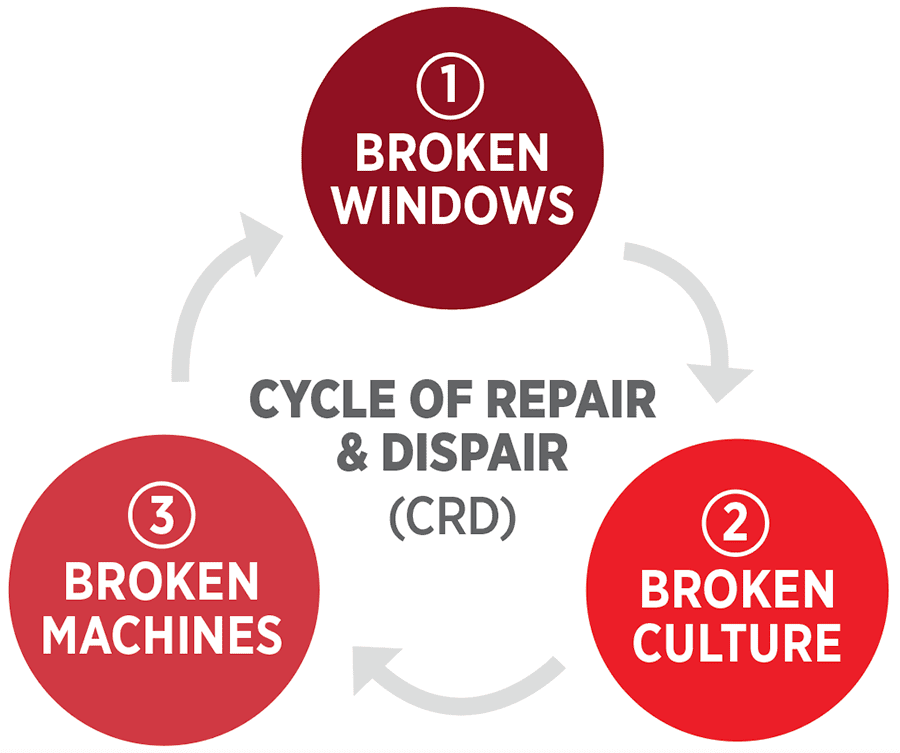
Almost subconsciously, our senses gather information on our surroundings. They recognize subtleties, discern unique features and examine characteristic details. Read More