By Jim Fitch
Book chapter. Hydraulic Failure Analysis: Fluids, Components and System Effects, by George Totten et al
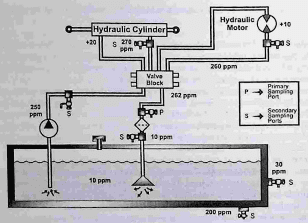
World-class condition monitoring of hydraulic systems involves the successful integration of a number of strategic elements. While in the past, walk-around inspections and gage data were the primary means of monitoring system health, today’s modem oil analysis programs apply a host of sophisticated new tools and instruments. Reliability teams at the plant site frequently commission small laboratories. In many cases the instrumentation suite includes portable and unattended sensors. The situational context is changing too as today’s hydraulic systems are increasingly designed for higher pressures, speeds, and temperatures. This paper presents a review of strategic elements that, when well conceived and implemented, can deliver vital aiding information for achieving even the toughest condition-based maintenance goals. These include the selection of test slate, deployment of incipient failure advisories, setting of targets and limits that define nonconforming conditions, exception testing, and proactive maintenance.