By Jim Fitch
Machinery Lubrication Magazine
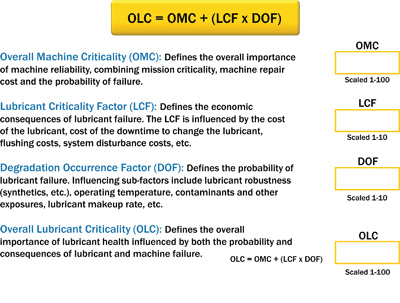
A few years ago, someone mentioned to me that many of his machines were not good candidates for oil analysis because they used little oil that wasn’t worth saving. He added that by the time you flushed the sampling port and pulled a proper oil sample, you’ve almost done an oil change. Why bother with oil analysis?
I’m sure you recognize the misguided purpose of oil analysis in the mind of this individual. While oil analysis can certainly aid in better timed oil changes, it has so much more to offer. In fact, for machines that are mission-critical, the cost of changing the oil is small potatoes in comparison to the value gained from averting a catastrophic machine failure.
If oil analysis was only about tracking the remaining useful life of the lubricant, only a fraction of the oil samples analyzed every year could be economically justified.
Think of the oil more as an information messenger of numerous failure modes and root causes of failure. As I’ve said many times, it’s hard for a machine to be in trouble without the oil knowing about it first. For most labs, the number of non-conforming samples from oil analysis will generally exceed 20 percent.
In other words, more than one out of every five samples has a reportable condition that requires a corrective response. For this reason, you must be prudent about which machines are selected for oil analysis as well as the sampling frequency.