By Jim Fitch
Book chapter. Handbook of Hydraulic Fluid Technology, edited by George Totten and Victor De Negri, CRC Press
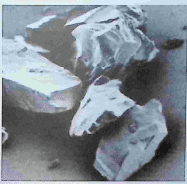
It has been extensively documented and widely stated that particle contamination is the number one cause of wear and failure of hydraulic components. The problem is generally more pronounced than in other types of machinery incorporating circulating systems that use sirnjlar types of oils. This heightened contaminant sensitivity is due to the high pressures and tight tolerances which are characteristic of modern hydraulic machines. Pressure is known to have a disproportionate effect on contaminant sensitivity.
Much has been learned in the past three decades about contamination control at both a laboratory research level as well as the real-world deployment of this knowledge in machinery-intensive industries. Case studies have flourished on the practical and economic benefits of maintaining hydraulic systems and fluids at extreme levels of cleanliness. Hence, the speculation is gone relating to the business case and strategies that produce savings and benefits to user organizations. For many owners of hydraulic systems the opportunities of planned cleanleness are like low-hanging fruit that is ripe for picking. This chapter summarizes this body of knowledge and the value-producing strategies needed to control particle contamination in hydraulic fluids.