By Jim Fitch
Machinery Lubrication Magazine
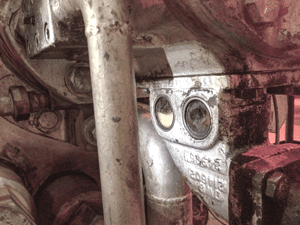
Like most business plans and strategies, an inspection plan should be built from the top down. It should begin with a clear statement of corporate goals and objectives related to asset management.
This approach is addressed in ISO 55001. Another global standard currently under construction by the International Council for Machinery Lubrication (ICML), ICML 55 focuses on optimized management of lubricated assets. It is aligned to ISO 55001 guidelines as well.
A full-on inspection plan should also be a detailed and comprehensive document to ensure that key features and functional elements are not overlooked. From there, it can be abridged or streamlined for quick review by technicians and operators.
The unabridged version of the plan can even serve as a rough curriculum for training and competency testing for both current and aspiring new inspectors.
A well-constructed inspection plan enhances the likelihood and magnitude of successful and sustained deployment. The discussion that follows is more about codifying the structure of an inspection plan, including the tasks and main features that should be incorporated when writing a plan.
Modern reliability and asset management programs expect documented, procedure-based work plans. This reduces the risk of variability, uncertainty and drift over time. The plan is best if it is consensus-based and continually improved.