By Jim Fitch
Machinery Lubrication Magazine
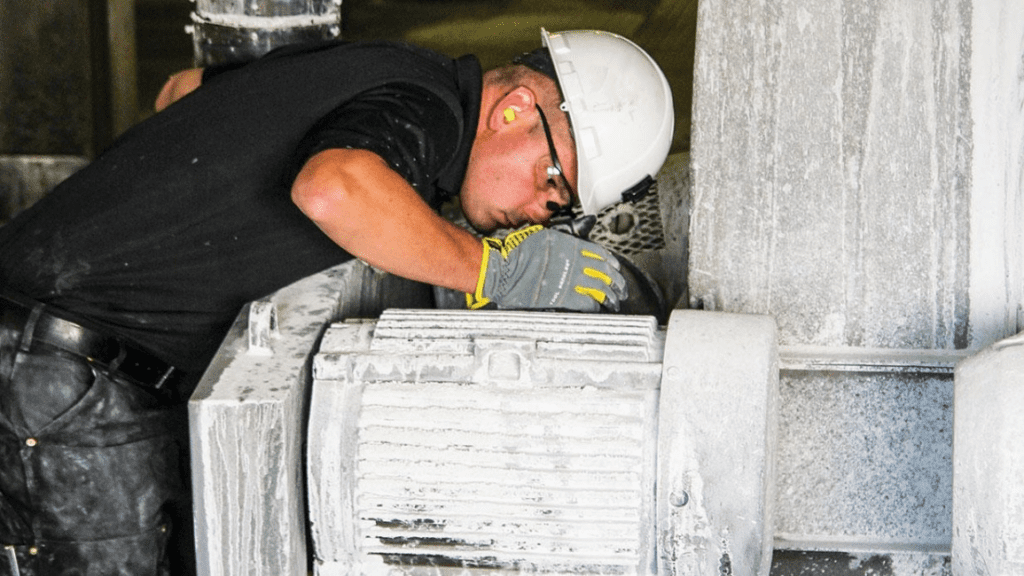
Perhaps you’ve heard that machine reliability is everyone’s responsibility. In a general sense, this is very true and needed. We should all keep our eyes alert to issues, large and small. We should foster an inspection and proactive maintenance culture. Inspection is largely about relentless and purposeful sensory observation. Any competent and responsible person near a machine can and should serve as the inspector of the moment.
It’s not just about the machine. There are five inspection operating states, as I discussed in a previous column. Take machine parts, for instance. They frequently are staged in warehouses or on shelves and pallets near operating machines and other active work areas. Sooner or later these components become an integral part of the machines or machine trains where they are intended to be used. Inspection is a cradle-to-grave process, including all the parts that build to a complete and functioning machine or train.
Whatever impaired state or condition the part sustains or is exposed to eventually will be transferred to the operating machine. Even the smallest components that are infected with issues can metastasize and impart hazards and destruction to operating process lines and beyond. It’s not the cost of the repair but rather the cost of lost production that matters, often at many multiples of the repair cost.