By Jim Fitch
Machinery Lubrication Magazine
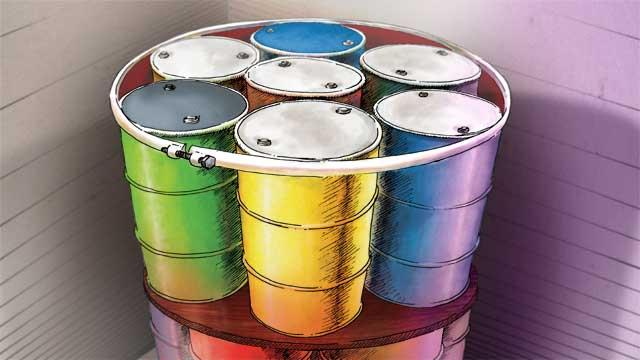
In the interest of reducing purchasing costs and streamlining storage and handling, many organizations have substantially slashed the number of lubricant SKUs (stock keeping units) they use. They have also re-engineered the precision of their lubricant specification. There are many real and a couple of somewhat imaginary benefits to these consolidation initiatives. Let’s start with the real benefits.
These include:
Reducing stale inventory by directing more turnover (usage) across fewer lubricant products
Purging discontinued or hard-to-find lubricants from lubricant storerooms
Sole sourcing lubricants to a single distributor and perhaps brand to simplify the purchasing function and leverage volume buying (see figure 1)
Enhance usage convenience and lower risk of accidental cross-contamination (fewer drum pumps, transfer systems, filter carts, top-up containers, etc.)
Re-engineering and enhancing lubricant selection especially for machines utilizing lubricants that have drifted out of spec (perhaps as a result of several past consolidation attempts)