By Jim Fitch
Machinery Lubrication Magazine
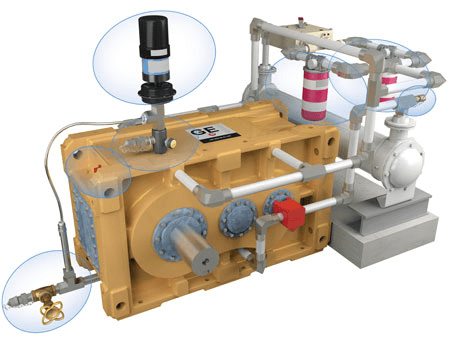
The lubricant Optimum Reference State (ORS) is a critical concept in the journey to world-class lubrication and enhanced machine reliability. In short, it is the prescribed state of machine configuration, operating conditions and maintenance activities required to achieve and sustain specific reliability objectives. Lubrication excellence is achieved when the current state of lubrication approaches that of the Optimum Reference State. If you don’t understand the ORS, you probably don’t understand the most fundamental concepts in machine reliability.
Lubrication attributes of the ORS are not widely known by equipment builders, lubricant suppliers and maintenance organizations. Many user organizations falsely conclude that their machines are already fitted with the necessary accessories and components that enable reliability to be achieved. Sadly, of the hundreds of machine service manuals I’ve seen in recent years, it is rare to find practices described close to the ORS. In a typical plant, it is equally rare to see machines fitted with ORS-compliant lubrication components and technicians performing ORS-compliant lubrication.
There are many different attributes of the Optimum Reference State. These attributes relate to people preparedness, machine preparedness, precision lubricants, precision lubrication and oil analysis. Achieving the ORS almost always involves change or modifications. For instance, you can’t get optimum filtration unless you install the optimum filter. You can’t have optimum oil samples unless you install ORS-compliant sample valves in the optimum location. Then, of course, you need to pull the sample using ORS-compliant procedures at ORS-compliant frequencies.