By Jim Fitch
Maintenance Magazine [Australia & New Zealand]
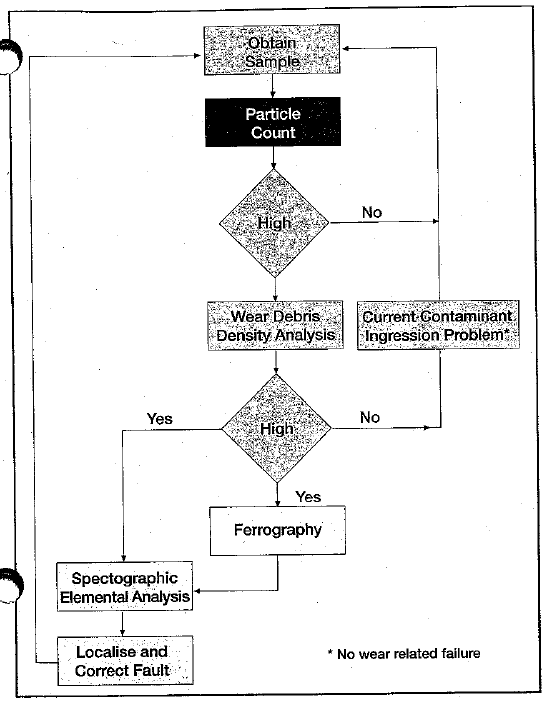
The field of maintenance technology is going through a revolution of change. Gone are the days when a machine had a predictable service life, after which it was replaced, continuing the cycle. Today, machinery and equipment can be maintained to achieve useful operating lives many times that attainable just a few years ago.
Historically we’ve relied on the popular practice of predictive maintenance and condition monitoring to combat rising maintenance costs. Today we implement predictive maintenance with greater confidence and precision. These early warnings have proven effective at reducing the magnitude of failure and amount of unscheduled downtime; however, no real progress has been made in reducing frequency. Any maintenance strategy targeting the reduction of failure frequency must address lhe fundamental causes of failure. Such a strategy of eliminating causes would be “proactive” to failure, not “reactive” to failure.
This approach, known as proactive maintenance, is the latest and most promising wave of new maintenance technology. Its fundamental and logical approach seems likely to gamer deeply entrenched inroads into the cost-driven maintenance industry this decade. Case studies documenting cost reductions exceeding 90% have provided a solid lead for others to follow seeking similar savings.