-
Advancements in Fluid Analysis Technologies and Strategies for Hydraulic SystemCondition-Based Maintenance
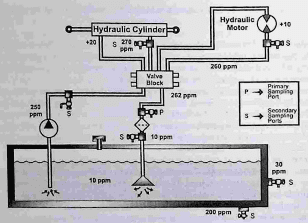
World-class condition monitoring of hydraulic systems involves the successful integration of a number of strategic elements. While in the past, walk-around inspections and gage data were the primary means of monitoring system health, today’s modem oil analysis programs apply a host of sophisticated new tools and instruments. Read More
-
Five Ways Aerated Oil Wrecks Machines

We’re told machines should not be allowed to swallow air. But what if they do? What harm could be caused by this bubbly stuff anyway? Do we really have to make the machine burp? Read More
-
The Four States of Water in Oil
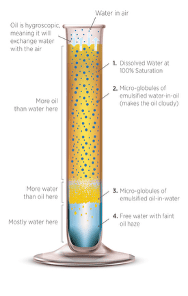
In the last 30 years or so, most of the literature, including Noria’s publications, refer to water as having three states. Free water has been redefined as being water that, by force of gravity, will phase out of the oil. This means it will separate below (most common) or above the oil phase depending on… Read More
-
Diagnosing a Cloudy Oil
Most of us know that healthy lubricants are generally clear and bright. However, as oils age they can lose their luster, and many become dark and opaque. These optical changes are often important symptoms of impending problems that, if occur prematurely, merit further analysis and corrective action. Read More
-
How Water Causes Bearing Failure
By Jim FitchMachinery Lubrication Magazine It takes only a small amount of water (less than 500 ppm) to substantially shorten the service life of rolling element bearings. There is a vast amount of research that supports this. Being a career-long crusader of clean and dry oil, I will certainly not argue the contrary. In fact,… Read More
-
The Hazards of Water Contamination in Oil

Most of us are well aware of the enormous damage water can exact on a machine and its lubricants. However, the magnitude of this potential destruction seems to depend directly on five enabling factors. These factors are listed below and are further diagramed in Figure 1. Read More