-
Advancements in Fluid Analysis Technologies and Strategies for Hydraulic SystemCondition-Based Maintenance
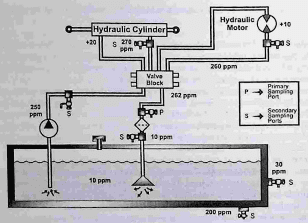
World-class condition monitoring of hydraulic systems involves the successful integration of a number of strategic elements. While in the past, walk-around inspections and gage data were the primary means of monitoring system health, today’s modem oil analysis programs apply a host of sophisticated new tools and instruments. Read More
-
Deciphering Important Visual Features of Wear Particles

When working from a single sample, it is common for labs to classify wear particles according to standardized shapes such as platelets, chunks, ribbons and spheres. T Read More
-
Proactive and Predictive Strategies for Setting Oil Analysis Alarms and Limits
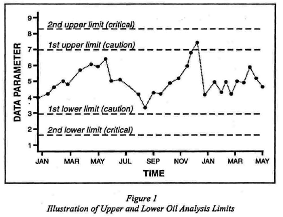
Abstract: In oil analysis, well placed alarms and limits are like trip wires, alerting operators and technicians to an untoward or threatening condition. Oil analysis limits can vary considerably according to machine type, oil type, and reliability goals. This paper discusses four distinct types of limits and how they are applied to different machine and… Read More
-
The Usefulness of Particle Counting in Oil Analysis

Optical particle counters (OPC’s) have a long history of use in industrial hydraulic applications. Traditionally, their success has been limited to scientific laboratories and other highly controlled environments. Read More
-
Tricks to Classifying Wear Metals and Other Used Oil Suspensions

The most common methods for initial detection of abnormal levels of wear debris in used oils include elemental analysis, ferrous density analysis (DR, etc.), particle counting and patch testing. For some users, because of the criticality of the application, all of these screening tests for wear metals are integrated into the routine test slate. Read More
-
Copper and Your Diesel Engine Oils

I recently analyzed a database of more than 30,000 oil analysis reports from diesel engine samples (Class 8, long-haul trucks). With so much information at my fingertips, I was like a kid in a candy store. Read More
-
Particle Contamination — Both a Cause and a Result of Mechanical Failure
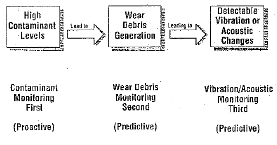
The monitoring of particle contamination in lubricating fluids is a critical indicator of incipient and impending failures. Recent research, under both laboratory and field conditions of the contaminant sensitivity of bearings, reveals a well defined cause and effect relationship between contaminant levels and relative machine life. Read More
-
Tactics For Identifying Wear Metal and Solid-particle Suspensions
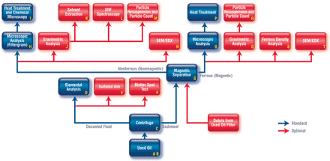
The most widely used laboratory methods for initial detection of abnormal levels of wear debris in used oils include elemental analysis, ferrous density analysis (DR, etc.), particle counting and patch testing. Read More
-
How Filters Work to Control Contamination in Oil

Imagine the filter inside your machine is made of fibers the size of telephone poles, stacked randomly in all directions, many layers thick. Each juncture where poles touch is a drop of super glue for support. To emulate actual operating conditions, the stack of poles is placed on a large moving and vibrating table. Read More
-
No Contamination, No Wear, No Kidding

I realize that this statement – No Contamination, No Wear, No Kidding – may not sit well with some readers, such as a few purists within the tribology community. But before anyone gets too excited, let me start by listing my assumptions: Read More