By Jim Fitch
Machinery Lubrication Magazine
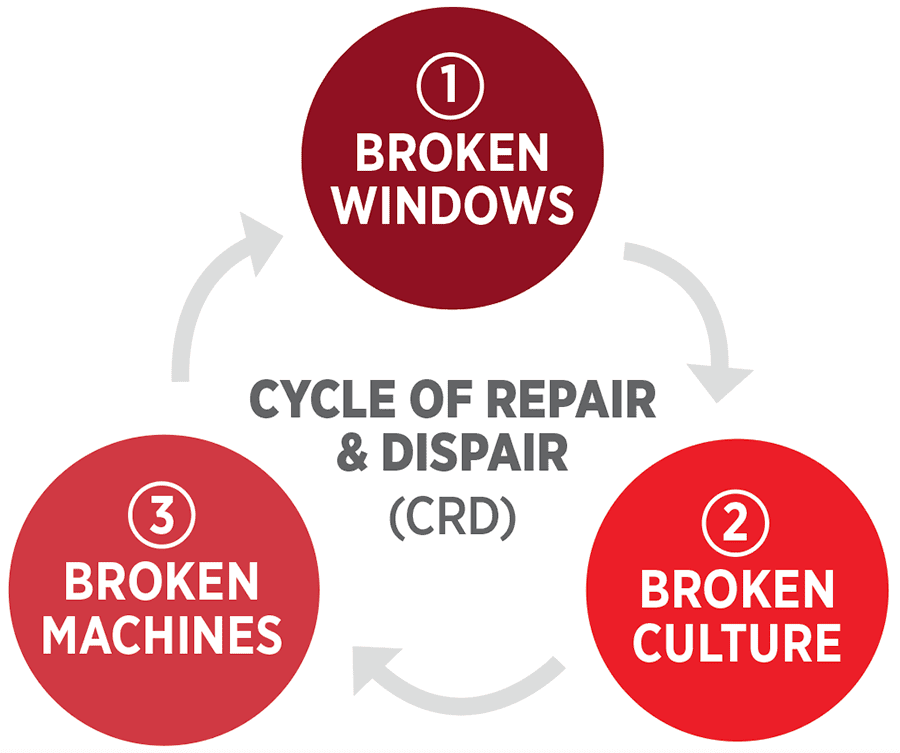
Almost subconsciously, our senses gather information on our surroundings. They recognize subtleties, discern unique features and examine characteristic details. This could be a glass of Spanish red, a seat on a flight to London or a test drive of a Tesla Roadster. Using our senses, we register facts and find nuances that collectively help us arrive at opinions and conclusions on quality, functionality, attractiveness, comfort and value. Perception is reality.
Computers with deep-learning algorithms fed by innumerable sensors are used to collect and process data. Notwithstanding, they are no match for our senses and our brain. Artificial intelligence is better at augmenting our intelligence but not replacing the cognitive ability of our brain flanked by human senses. If you think I’m wrong, try having a conversation about your favorite sports team with Alexa or Siri. Or ask a simple question like, “Can a fish be taught to ride a bicycle?”
This high level of human perceptiveness is applied to our work environment and maintenance culture. Let me give you an example. In criminology, there is a concept known as the broken windows theory. It states that “visible signs of crime, anti-social behavior and civil disorder, such as broken windows in abandoned buildings create an urban environment that fosters further crime and disorder, including serious crimes.” In other words, the perception of a neighborhood in decay bolsters criminal behavior.