-
Five Ways to Reduce Lubricant Spending

Lubricant procurement is not the largest expenditure in a typical maintenance budget. However, it is viewed as a real, tangible expense that is frequently targeted for cost reduction. When it comes to lubricants, it is unwise to pretend to save money by “buying cheap.” Read More
-
Hazards of Changing Lubricant Brands
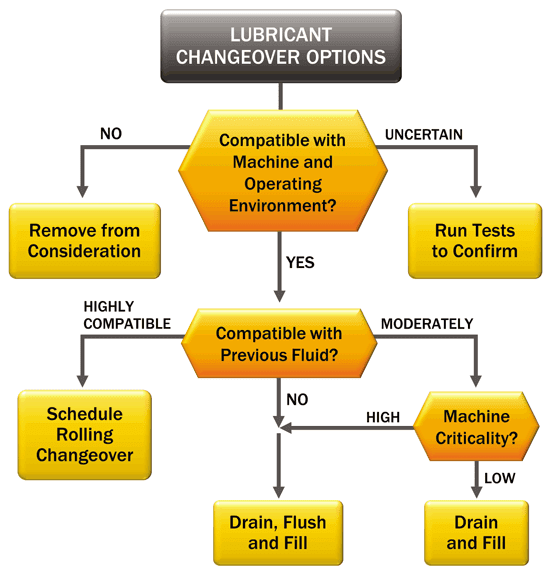
After a short bedding-in time at an elevated temperature, which allows the base oil and additives to chemically and physically interact, the mixtures are ready to be inspected and tested further. Read More
-
Lubricant Consolidation: Steps and Benefits
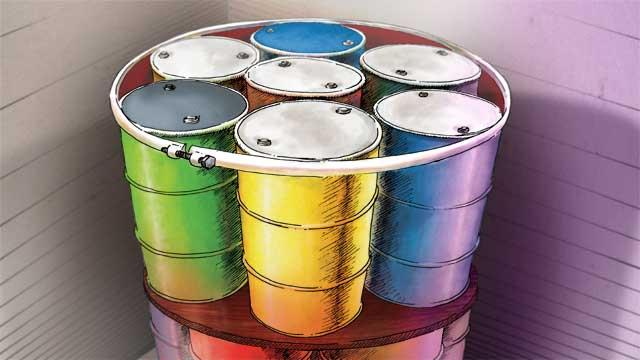
In the interest of reducing purchasing costs and streamlining storage and handling, many organizations have substantially slashed the number of lubricant SKUs (stock keeping units) they use. Read More
-
Optimizing Lubrication and Lubricant Analysis
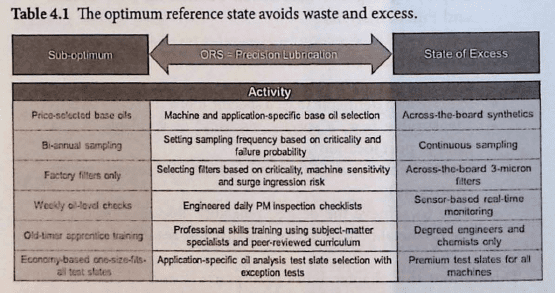
Lubrication is an unmistakably integral part of machine reliability. Rotating machines are dependent on lubrication decisions made, such as which lubricant to use, how the lubricant needs to be applied to the tribological zones, and what is done during operations to monitor and control the integrity of these frictional zones. Read More
-
The Difference Between Good Lubrication and Good Lubricants

I have learned that excellence in lubrication is just as difficult to realize as it is rare to find. The reasons for this are many. One simple explanation is the field of lubrication is a specialty that takes education and years of experience to master – like most professions. Read More
-
The Role of Lubrication Management Professionals

Thousands of companies around the world have an immediate need to hire lubrication management professionals. These companies are owners of numerous production assets that are critical to industrial processes and fleet operations. Read More