Articles & Resources
-
When a Filter is Not a Filter
Just like lubricants, filters have a life expectancy, and it’s not indefinite. Users should be aware that there are certain operating conditions that can abruptly alter a filter’s performance and shorten its service life. These events can silently turn what you think is a filter into a non-filter. The unpleasant consequences of most filter failures… Read More
-

Why Should Managers Care About Oil?
Managers don’t need to know about oil, that’s why they hire maintenance people. They have far more important things to do with their time, right? We’ve all heard it, oil is oil and if the machine has oil everything is okay. Read More
-

Will ISO 55000 Change the Definition of Lubrication Excellence?
This past year I’ve been spending a lot of time studying the possibilities of ISO 55000, especially its long-term impact on the lubrication field. I was a bit skeptical at first. Read More
-

A Conversation with Dad – Pioneer, Educator and Mentor in Fluid Contamination Control
Some of you are personally acquainted with my father, Dr. Ernest C. Fitch. Others may know of him by reputation or perhaps through his publications. Read More
-

Crucial and Healthy
Somewhere in your plant there are all-important pieces of production equipment that simply must operate as intended-or else. And most likely the “or else” is too painful to even think about: injuries, catastrophic damage, contract penalties, irate customers, missed shipping dates, junked parts, ballooning costs, a sickly quarterly financial report, and so on. Those critical… Read More
-
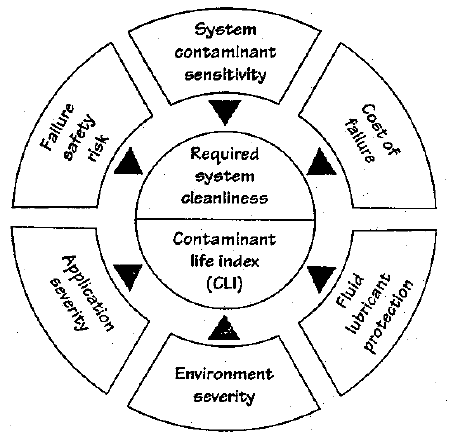
Extensive Cost Saving Opportunity from Strategic Implementation of Proactive Maintenance in the Iron and Steel Industry
Recently, maintenance managers and corporate executives have shown a greater interest in rising maintenance costs and failure rates. The realization of the need to curb these costs has logically brought about the field of proactive maintenance. This is a program that concentrates on minimizing downtime and maximizing machine life. Read More
-
Five Essential Lube Oil Properties Not Routinely Reported by Your Oil Lab
You may be surprised to learn that there are no less than five lubrication performance properties that are missing from nearly all in-service oil analysis reports. These are not esoteric properties that are of limited value or interest to those in charge of machine reliability. Instead, they represent the core foundation of a lubricant’s formulation… Read More
-

Is Your Oil Analysis Program a Quart Low?
Not long ago I read a magazine article on predictive maintenance that referred to oil analysis as a means to “time” an oil change. Sadly, no other application or benefit was mentioned. The author was obviously trying to give credit to the field but unknowingly diminished its importance and value. An opportunity was lost. Read More
-
Looking Through the Eyes of Onsite Contaminant Monitors
Without the lens of a microscope, bacteria and viruses might only be recognized as painful symptoms of sickness and disease by those who are infected. Just as technology is an important enabler in human pathology, it also serves in the detection and diagnosis of a host of machine health issues, including the invasion of lubricant… Read More
-
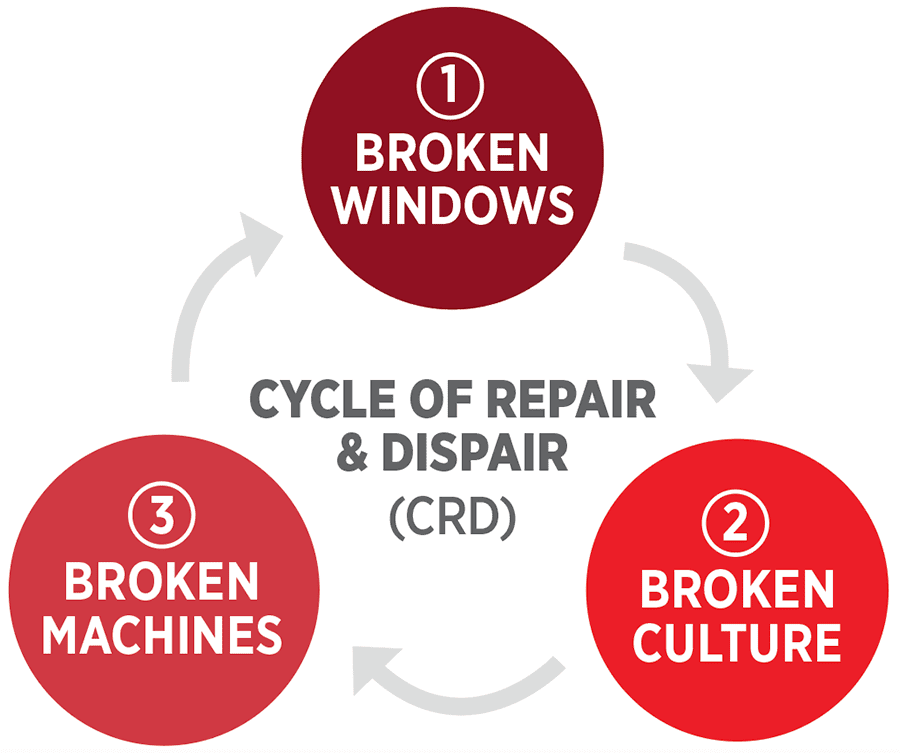
Make Touchstones of Lubrication Excellence Shine
Almost subconsciously, our senses gather information on our surroundings. They recognize subtleties, discern unique features and examine characteristic details. Read More
-

No Contamination, No Wear, No Kidding
I realize that this statement – No Contamination, No Wear, No Kidding – may not sit well with some readers, such as a few purists within the tribology community. But before anyone gets too excited, let me start by listing my assumptions: Read More
-

Oil Analysis and the Lean Organization
Like people, organizations have their defining moments– points in time when old notions and business paradigms must be cast aside. Indeed, as we cross into the new millenium, such transformations are permeating nearly all business sectors. Read More
-
Particle Counting – Deploying the Invisible Filter
This past year Practicing Oil Analysis featured many end-user case studies documenting cost savings from oil analysis. Surprisingly, the majority of these studies describe the partnering of oil analysis with contamination control*. Read More
-
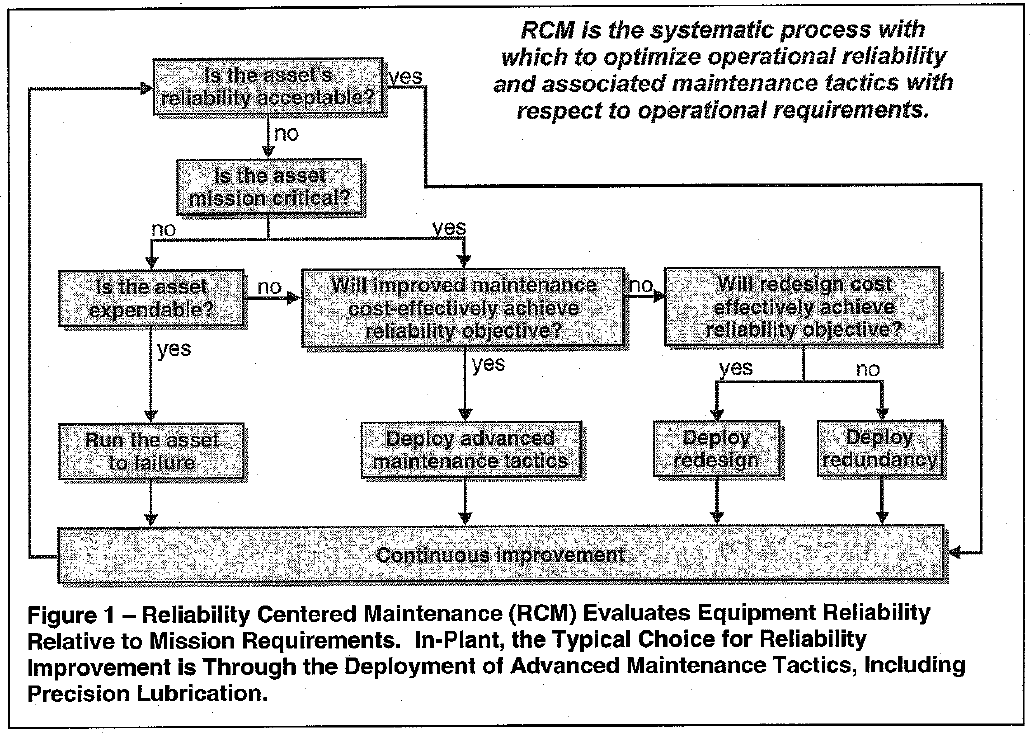
Precision Lubrication for the Power Generation Industry
Machinery lubrication is critical to reliability efforts at a power plant. Numerous studies cite poor or ineffective management of the lubrication process as a leading cause of forced plant outages. Read More
-
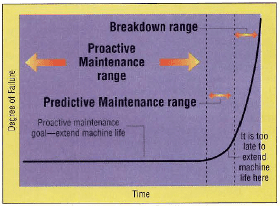
Proactive maintenance targets extending machine life
Equipment maintenance costs represent an unclaimed gold mine of savings opportunities. Yet deep maintenance cost reductions have evaded the efforts of even the most diligent and sophisticated operations. Why? Because there has been a general lack of emphasis on maintenance that corrects root causes, as opposed to responding to the symptoms or results of failure. Read More
-
Proactive Maintenance the Cost-Reduction Strategy
The field of maintenance technology going through a revolution of change. Gone are the t days when a machine had a predictable service life, after which it was replaced, continuing the cycle. Today, machinery and equipment can be maintained to achieve useful operating lives many times that attainable just a few years ago. Read More
-
Proactive Maintenance, the Newest Buzz Word
The field of maintenance technology is going through a revolution of change. Gone are the days when a machine had a predictable service life, after which it was replaced, continuing the cycle. Read More
-

Safety Considerations in Fluid Power Products. Part 1: Design Aspects
With manufacturers expecting over 1,000,000 product-liability suits annually by 1980, more and more emphasis must be placed on safety and failure prevention. Companies with a poor track record, and which deal with ‘”accident prone” equipment, have little choice if they plan to survive the onslaught of an aroused, safety-minded and suit-conscious public. This paper is… Read More
-
Safety Considerations in Fluid Power Products. Part 2: Design Aspects
Product safety must be our business-not a sideline or an activity that our trade 01: technical association performs for us. As emphasized in Part 1 of this report, with the everchanging public attitudes, climate of the courts, standards being approved, and edicts by the government; this is no time to “stick our heads in the… Read More
-

The Influence Of Marketing on the Design Of Fluid-Power Products
Marketing should play a major role in the design of new fluid power products. The wants, needs and problems of the consumer are many times ignored as important inputs to product design. Read More