Articles & Resources
-
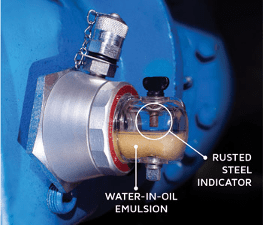
Control Moisture Ingression with Tactical Inspection 2.0
You don’t have to remove what you don’t allow to enter. Indeed, it’s hard to challenge the logic and value of controlling water ingression, but because moisture is everywhere, achieving bone-dry oil through exclusion alone may not be practical or even necessary. Read More
-

Copper and Your Diesel Engine Oils
I recently analyzed a database of more than 30,000 oil analysis reports from diesel engine samples (Class 8, long-haul trucks). With so much information at my fingertips, I was like a kid in a candy store. Read More
-
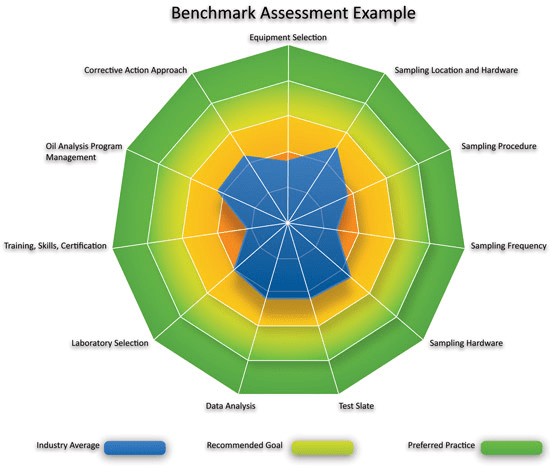
Creating an Engineering Specification for Lubrication Excellence
These days an increasing number of companies are trying to achieve a state of lubrication called “lubrication excellence.” Others might call this “world-class” lubrication. Read More
-
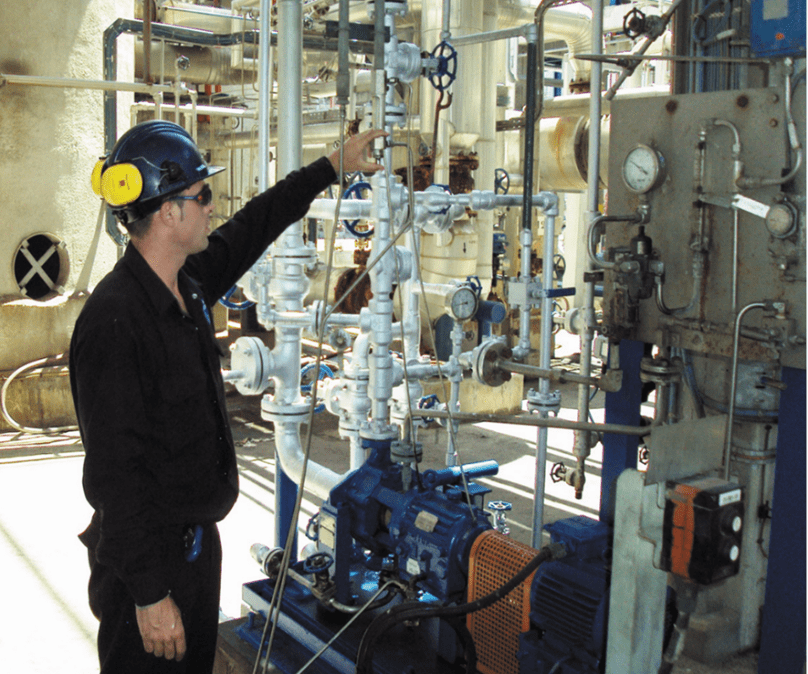
Defining and Executing Excellence in Lubrication
When it comes to oil analysis and lubrication, it goes without saying that execution beats brilliance. And, this execution does not mean a single high-impact feat. Instead, it is a continuous value-building activity, beginning with perhaps a marked change in maintenance philosophy. Many refer to this as a nurturing process, i.e., nurturing your oil and… Read More
-
Diagnosing a Cloudy Oil
Most of us know that healthy lubricants are generally clear and bright. However, as oils age they can lose their luster, and many become dark and opaque. These optical changes are often important symptoms of impending problems that, if occur prematurely, merit further analysis and corrective action. Read More
-
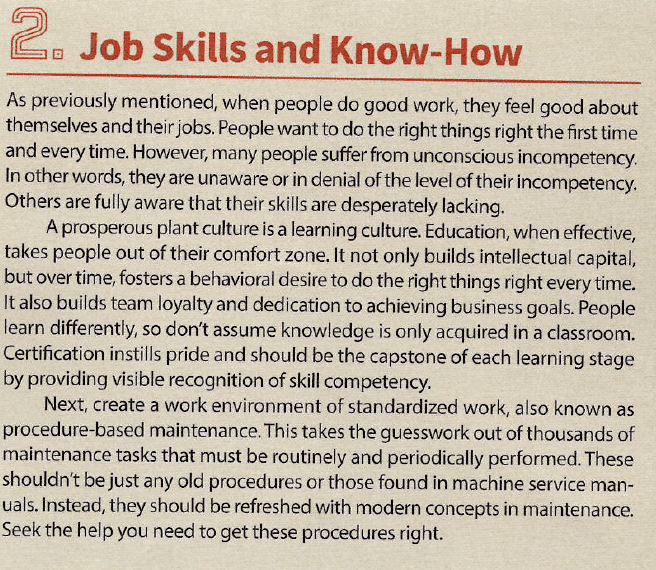
Does Your Company Need a Maintenance Culture Intervention?
Let’s face it, most companies need a culture intervention – something like a 12-step program. This article will explore behavioral issues that are often at the core of a culture of neglect and mediocracy. It borrows much from management science, leadership principles and conversations with individuals working in the field of maintenance reliability. Read More
-
Don’t Forget Lubricant Criticality When Designing Oil Analysis Programs
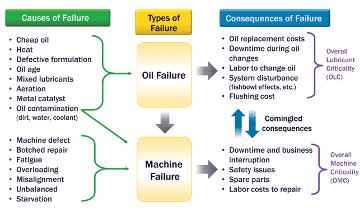
It is intuitively obvious that smart maintenance decisions require a heightened sense of both the probability and consequences of machine failure. Read More
-
Don’t Ignore Viscosity Index When Selecting a Lubricant
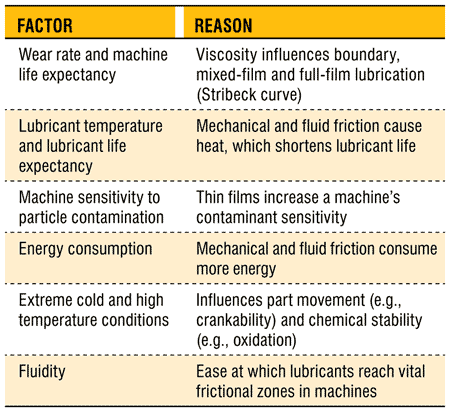
Too often the viscosity index (VI) is disregarded as a lubricant selection parameter. One reason is simply because it is poorly understood. Read More
-

Elements of a Successful Oil Analysis Program – Part I & II
Most often, users associate an oil analysis program with a systematic early alert to oil or machine failure, i.e., damage control. While these benefits are helpful and frequently achieved, they should be regarded as low on the scale of importance compared to the more rewarding objective of failure avoidance. Read More
-
Evolution of Maintenance Man
In the world of maintenance, there are two kinds of companies – those who are modernizing their maintenance programs and those who will. Companies on the trailing edge face one of two risks depending on their industry and geography: Read More
-
Filter Flow Rate: The Silent Opportunity
In leading maintenance organizations, managers don’t shrug off the importance of cleanliness. Instead, we are seeing these companies intrepidly improve fluid cleanliness targets over and over in their quest to enhance machine reliability. However, this practice has led to new challenges relating to both the ability to achieve the new targets and the cost of… Read More
-

Five Ways to Monetize Lubrication Excellence Now
For most organizations, the opportunities for a substantial financial win from lubrication excellence are enormous with lots of low-hanging fruit. The most common financial benefit is reduced downtime by averting high-downtime machine failures. Read More
-

Getting Machines to the Proper State of Inspection Readiness
I have written several articles on inspection recently, as I strongly believe it is foundational to condition monitoring, machine reliability and asset management. My last Machinery Lubrication column introduced the term “Inspection 2.0” to differentiate conventional inspection practices from the intense, probing and purposeful methods needed to optimize benefits. As common as inspection activities may… Read More
-
Glycol In Lubricating Oil – Detection, Analysis and Removal
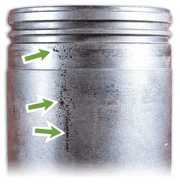
Introducing glycol into lubricating oils exposes your machines to a powerful and poisonous mixture of chemicals. Unlike other harmful contaminants such as water and dirt, the destructive potential of glycol can progress to massive failure of machine components in a narrow window of time. Read More
-

Grease Dry-out: Causes, Effects and Remedies
One of the main disadvantages of using grease over oil is the annoying tendency of grease to cake and dry out. We all know that oil has a natural tendency to drain out of the grease thickener over time. Read More
-
Guidelines for Developing a World-class Inspection Plan
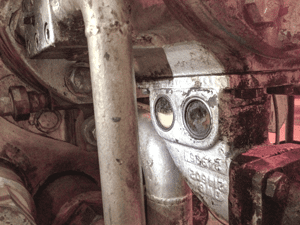
Like most business plans and strategies, an inspection plan should be built from the top down. It should begin with a clear statement of corporate goals and objectives related to asset management. Read More
-
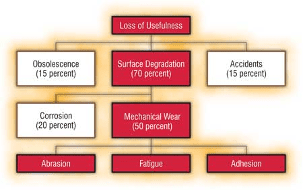
How and Why Machines Wear Out
According to Massachusetts Institute of Technology professor emeritus and luminary tribologist Ernest Rabinowicz, there are three things that cause machines to lose their usefulness: obsolescence, accidents and surface degradation. Without question, obsolescence is fundamental to the evolution of engineering and technology. Read More
-
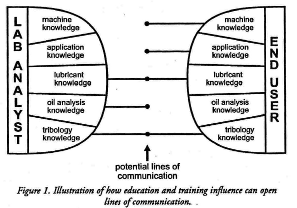
How to Develop a “Win-Win” Relationship With Your Oil Analysis Lab
Turning an oil analysis program into a feisty profit center is well within reach of today’s modern maintenance organizations. In fact, it is commonly achieved. Read More
-

How to Give Your Machine a Physical
Doctors have perfected the skills of conducting physical exams. They know what questions to ask and how to examine the body for clues that signify health, injury or disease. Read More
-
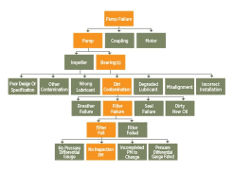
How to Make Your Oil Analysis Program Produce More Alerts
I want bad news fast. Why? Problems tend to compound. Rarely do they heal themselves. Instead, the worse things get, the faster they get worse. As time passes, the cost of repair and lost production can soar exponentially. Read More